


How MEG Supports High-Performance Coolant Production
How monoethylene glycol underpins coolant and antifreeze production.
Read article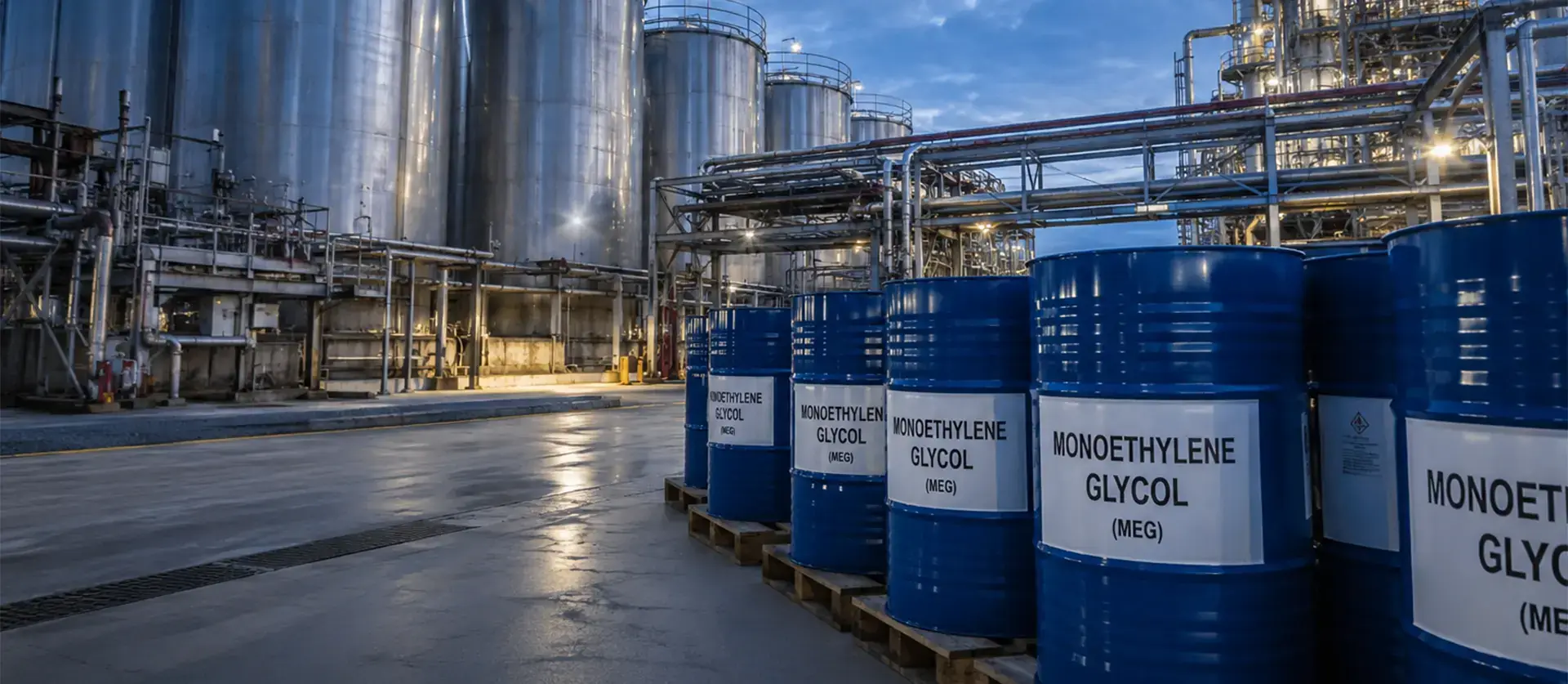
A forward-thinking group of chemical companies focused on manufacturing, blending and customised chemical solutions for customers across the UAE and worldwide.
Slide 1 of 4

Looking for a reliable chemical supplier in Dubai? As an established chemical manufacturer in the UAE, Corofy is a trusted partner for sourcing industrial, specialty and water treatment chemicals across the UAE - helping businesses find the right solution quickly, safely and at competitive prices.
We stock and distribute chemicals for construction, oil & gas, automotive, agriculture, food processing, cleaning and manufacturing. Whether you need bulk volumes or custom formulations, our team makes sure every product meets your technical and safety requirements - it's what makes Corofy a leading chemical company in the UAE.
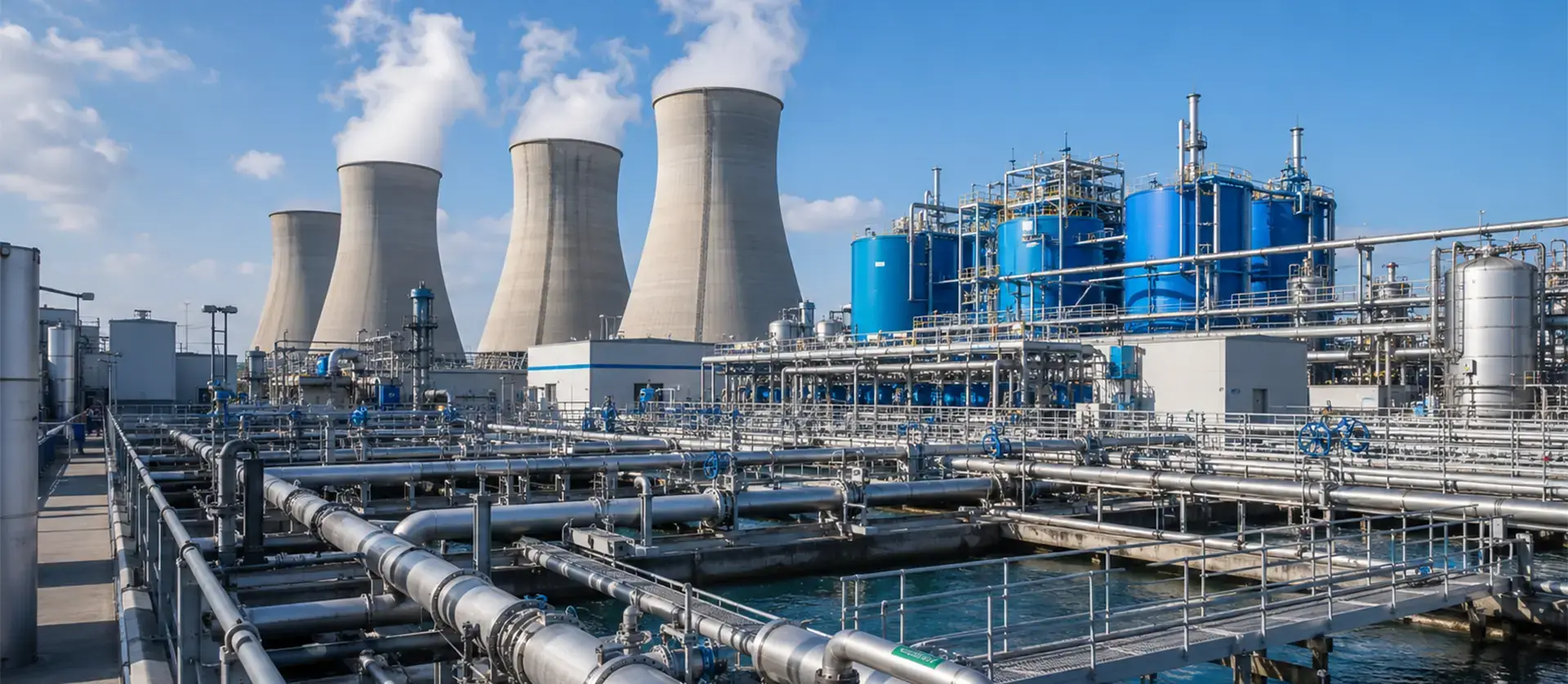
Specialized solutions for filtration, desalination and purification systems.
Custom products for upstream and downstream operations.
High-performance lubricants and chemical solutions for vehicles and machinery.
Safe, effective chemistry to improve soil health, crop growth and productivity.
Four core sectors, each supported by dedicated technical teams, tailored formulations and a supply chain built for consistency.

Surfactants, emulsifiers, wetting and dispersing agents, and crop protection products.
Explore
Drilling fluid additives, completion brines, H2S scavengers, defoamers, glycols and solvents.
Explore
Octane improvers, antifoams, anti-fouling agents, extraction solvents and catalyst chloriding.
Explore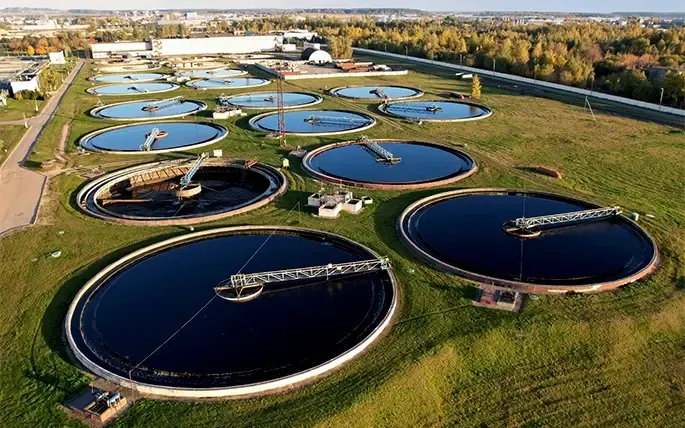
Lubricant additives, brake fluids and DEF, water treatment chemicals and industrial solvents.
Corofy is a forward-thinking group of chemical companies headquartered in Dubai, UAE, with operations at multiple locations - built to serve the evolving needs of global industries through a strong focus on manufacturing, blending and customized solutions.
We differentiate ourselves from conventional trading houses and price-driven manufacturers by combining deep market insight with strong technical expertise. That approach lets us develop tailor-made chemical solutions that help our customers innovate and grow.
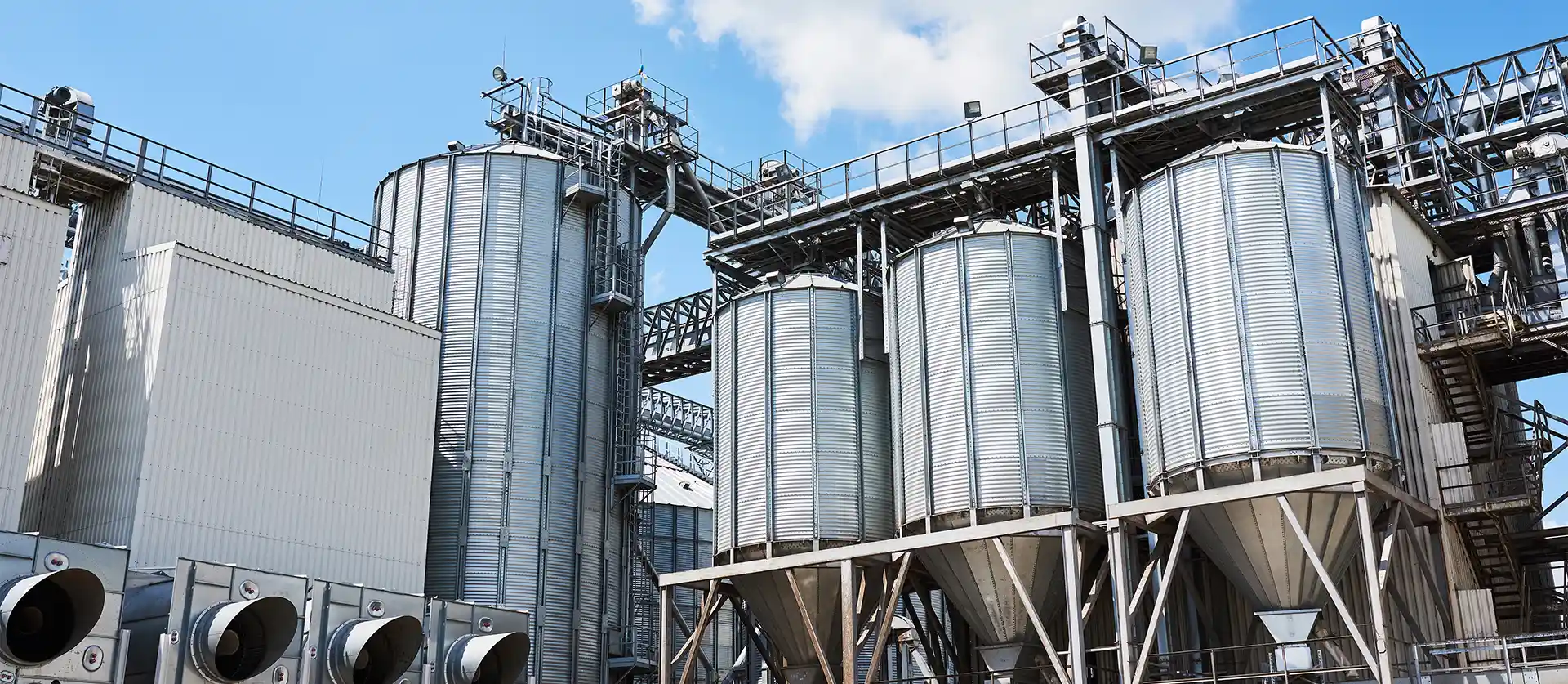
Corofy delivers chemicals across Dubai, the UAE and worldwide. We provide custom chemical solutions designed around the specific needs of every client, ensuring safe, high-quality products arrive on time.
Whether you are sourcing bulk chemicals for industrial use or specialty chemicals for a specific application, our team works closely with you to keep your operation running efficiently and sustainably.
Timely, cost-effective and compliant cross-border delivery.
Formulations matched to regional regulations and climate.
The questions we hear most from partners sourcing chemicals in the UAE and beyond.
See all FAQsCorofy is proudly based in the UAE, leveraging its strategic location to serve a wide range of global industries. Our capabilities in blending, warehousing and operational excellence allow us to meet the diverse demands of international markets, with a strong commitment to quality, innovation and customer-centric solutions.
Yes. We specialize in global logistics coordination, ensuring timely, cost-effective and compliant delivery of our products across borders.
We follow standardized manufacturing protocols and quality control measures at all facilities, ensuring consistency and compliance regardless of location.
Absolutely. Our team develops tailored chemical formulations to meet regional regulations, climate conditions and industry-specific requirements.
Corofy serves multiple industries worldwide, including Agrochemicals, Oil & Gas, Lubricants & Automobile, and Water Treatment Chemicals, with specialized solutions for each sector.
How monoethylene glycol underpins coolant and antifreeze production.
Read article
The chemistry behind scale control in industrial water systems.
Read article
The 7 key chemicals that control scaling, corrosion and bacteria in industrial water systems.
Read articleTell us what you need and our technical team will come back with a specification, a sample or a quote.