Scale formation is a common problem in industrial water systems. It can reduce efficiency, damage equipment, and increase maintenance costs. A scale inhibitor is a chemical used to prevent these mineral deposits from forming, helping systems run smoothly and efficiently.
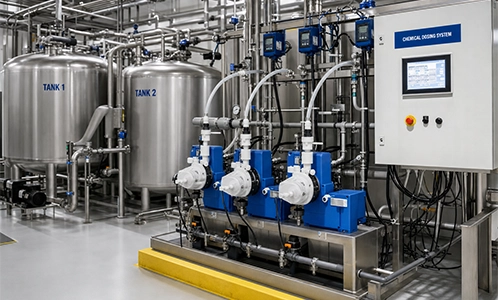
What Is a Scale Inhibitor?
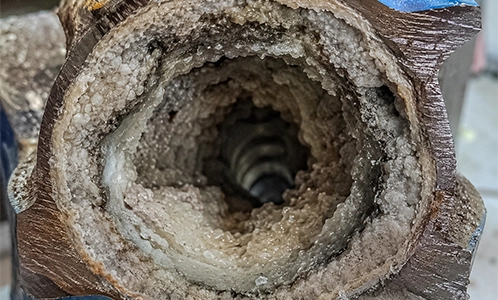
A scale inhibitor is a type of water treatment chemical designed to stop the buildup of minerals like calcium and magnesium. These minerals can form hard deposits, known as scale, on surfaces such as pipes, boilers, and heat exchangers.
By controlling these deposits, scale inhibitors help maintain system performance and extend equipment life.
How Does a Scale Inhibitor Work?
Scale inhibitors work by interfering with the formation of mineral crystals in water. Instead of allowing minerals to stick to surfaces, they keep them dissolved or dispersed.
This process helps:
- Prevent scale buildup
- Improve water flow
- Maintain heat transfer efficiency
- Reduce cleaning and maintenance needs
Where Are Scale Inhibitors Used?
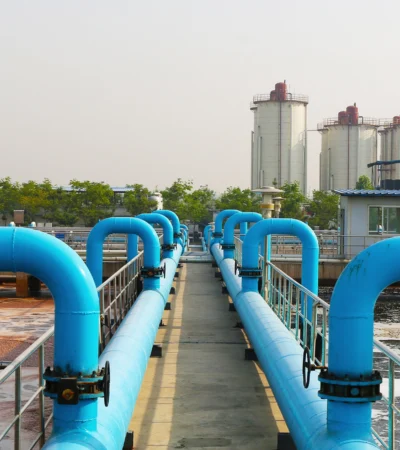
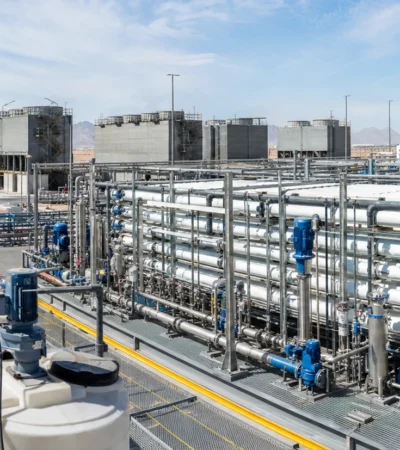
Scale inhibitors are widely used in different industrial applications, including:
- Cooling towers
- Boilers
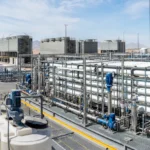
- Reverse osmosis (RO) systems
- Heat exchangers
- Industrial water treatment plants
These systems rely on scale inhibitors to operate efficiently.
Benefits of Using Scale Inhibitors
Using scale inhibitors offers several advantages:
- Prevents costly equipment damage
- Improves system efficiency
- Reduces downtime and maintenance
- Extends equipment lifespan
- Supports consistent performance
Choosing the Right Scale Inhibitor
Selecting the right scale inhibitor depends on water quality, system type, and operating conditions. A reliable chemical supplier can help choose the best solution based on specific requirements.
Maintaining Efficient Water Systems
Scale inhibitors are essential for keeping industrial water systems clean and efficient. With proper use, they help industries reduce costs, improve performance, and ensure smooth operations.